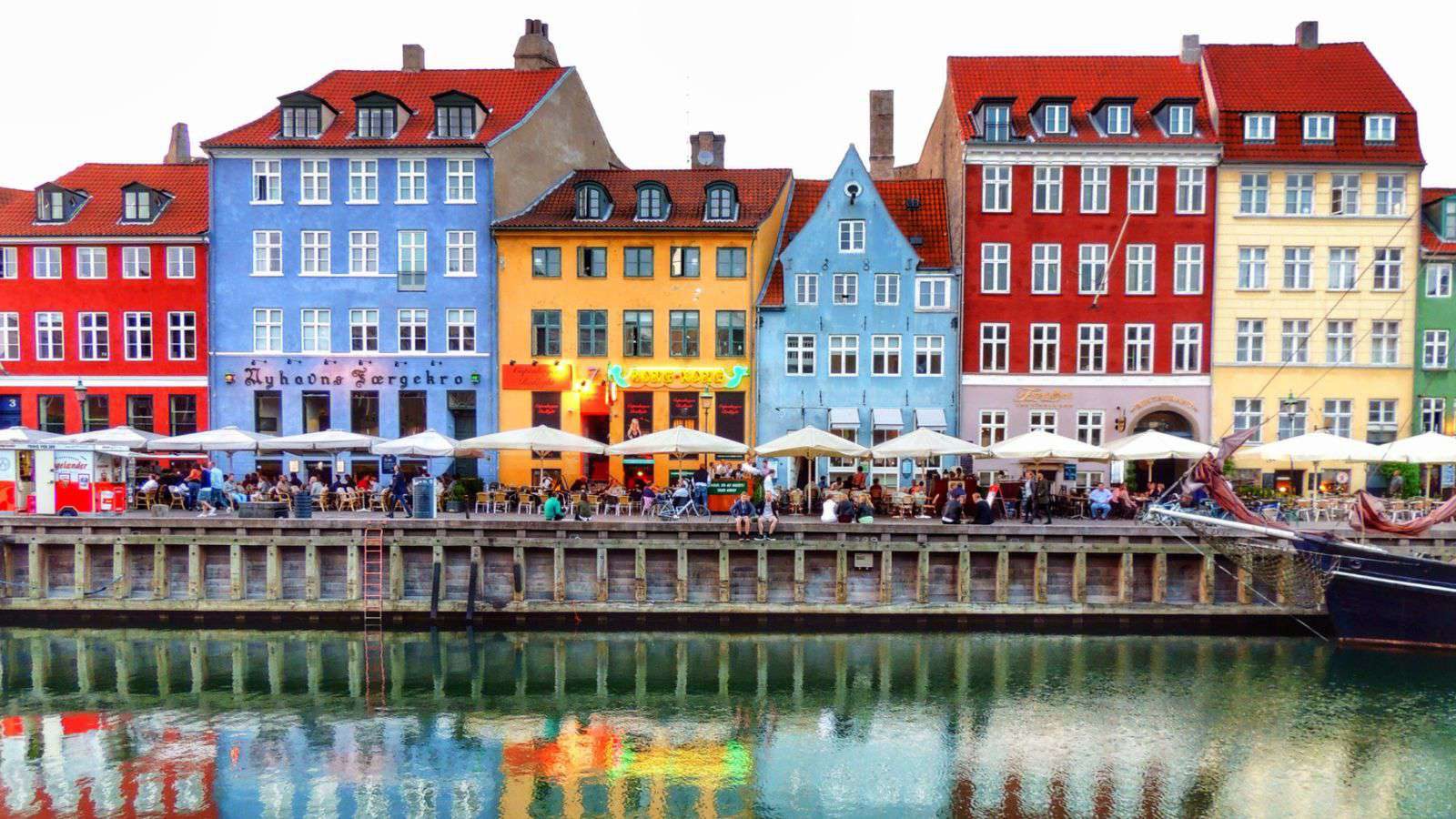
Danish culture runs on a quiet kind of equality. People tend to value the group over the individual, distrust showing off, and assume that everyone, regardless of job or title, deserves the same basic respect.
You'll see this everywhere once you know to look for it: in the informal way colleagues address their bosses by first name, in the near-absence of visible hierarchy, and in a social code sometimes summed up by the Jante Law, an old literary idea that you should never think yourself better than anyone else. Gender equality is woven in too, supported by generous parental leave, flexible working and one of the highest rates of working mothers and hands-on fathers in the world.
Meeting people
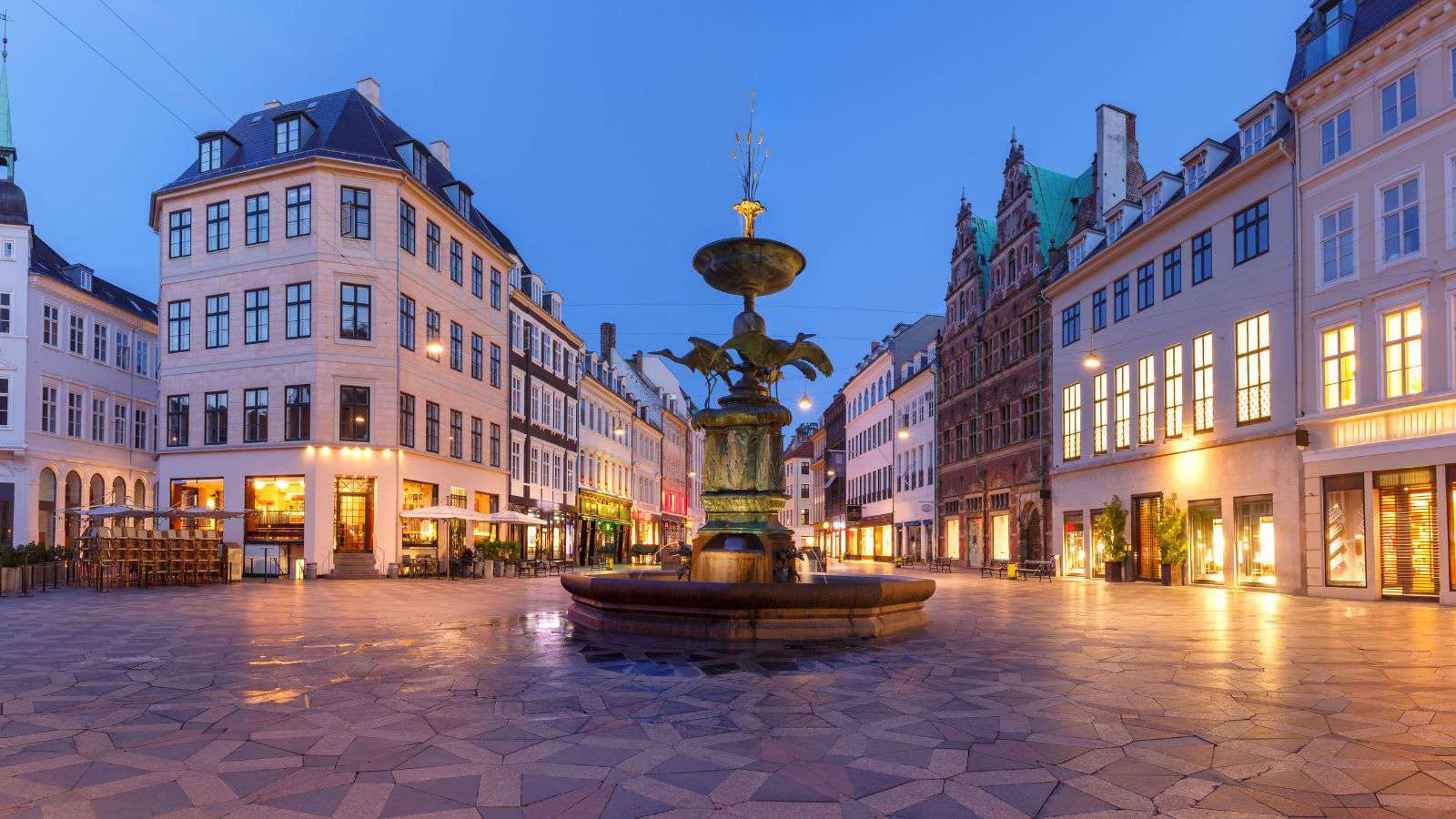
Danes greet with a firm handshake, direct eye contact and a smile, and usually introduce themselves by first name. Conversation is direct and low on small talk, and getting to the point is read as honest, not rude. Punctuality matters in both business and social settings; if you're running even a few minutes late, a quick message is expected.
Being a guest
If you're invited to a Danish home, it's normal to bring flowers, good chocolate or a bottle of wine, and gifts are usually opened straight away rather than set aside. Check whether to remove your shoes at the door, offer to help with the meal, and don't be surprised if you're given a tour of the house, since Danes take real pride in their homes and their design. At the table, wait for the host's toast of "skål" before drinking, raise your glass to eye level, and make eye contact with those around you.
Trust, design and the everyday
Two threads tie modern Danish culture together. The first is trust. Denmark has some of the highest measured social trust in the world, which is why you'll see unattended babies napping in prams outside cafés and bicycles parked unlocked. The second is design: a deep belief that good, functional, beautiful objects and spaces should be part of ordinary life, not a luxury. Both feed into hygge, the cosy, unhurried togetherness that gets Danes through long dark winters.
Hygge & the Danish way of life
The cultural idea Denmark is most famous for, and what it actually means day to day.
Read more →Danish design & architecture
From Arne Jacobsen chairs to harbour baths and the Lego brick.
Read more →This page describes broad cultural tendencies, not rules. Individuals vary, and customs evolve. Treat it as orientation, not a script.