The Kingdom of Denmark is a Nordic country in northern Europe and, together with the self-governing territories of the Faroe Islands and Greenland, one of the oldest continuous monarchies in the world.
Denmark proper sits just north of Germany, separated from Norway and Sweden by narrow straits. It is made up of the Jutland peninsula, which shares Denmark's only land border with Germany, and an archipelago of several hundred islands. The two largest islands are Zealand (Sjælland), home to the capital Copenhagen, and Funen (Fyn), with its main city Odense. The Faroe Islands and Greenland are part of the Kingdom but are largely self-governing, having been granted home rule in 1948 and 1979 respectively.
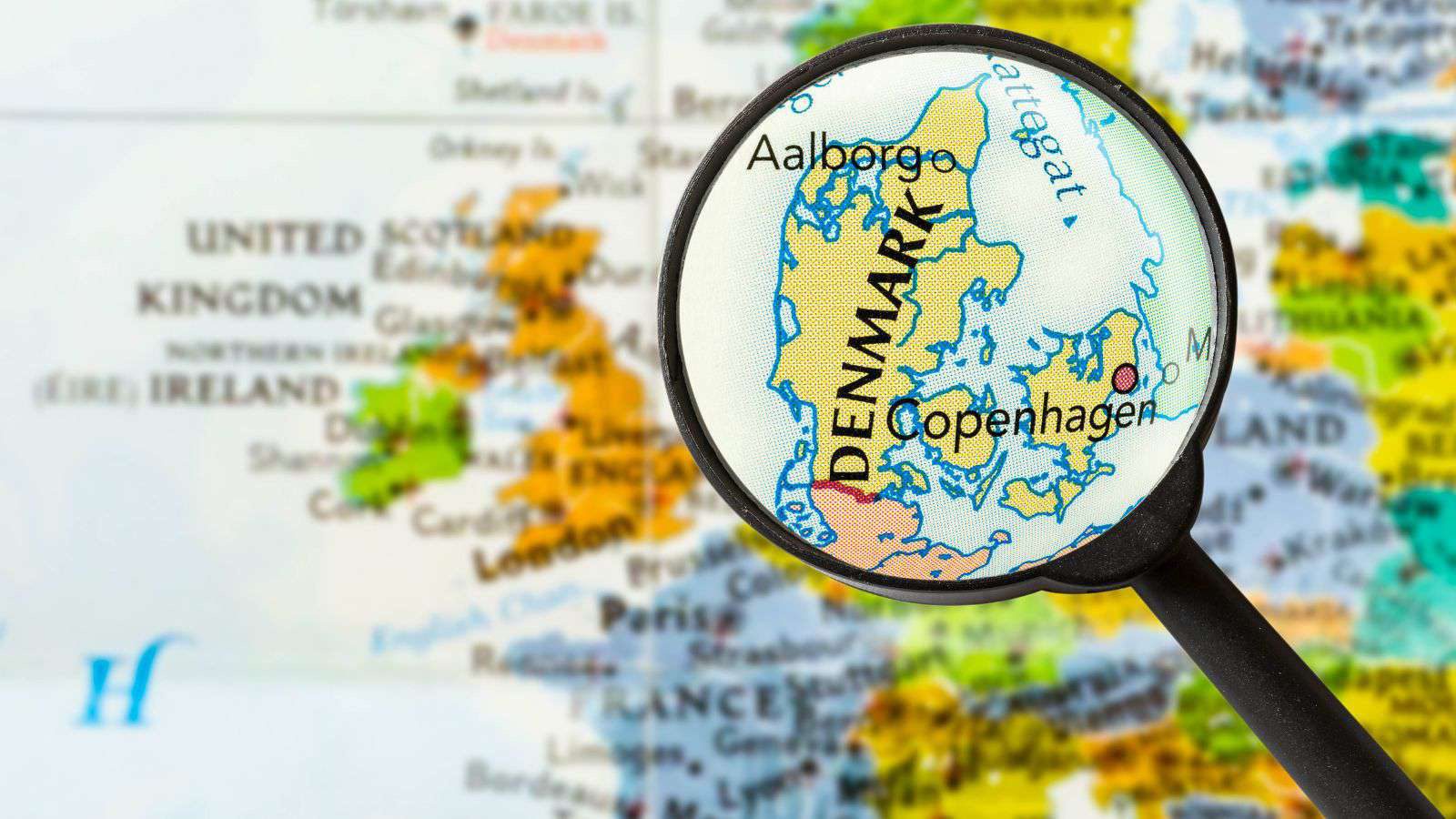
Copenhagen, the capital
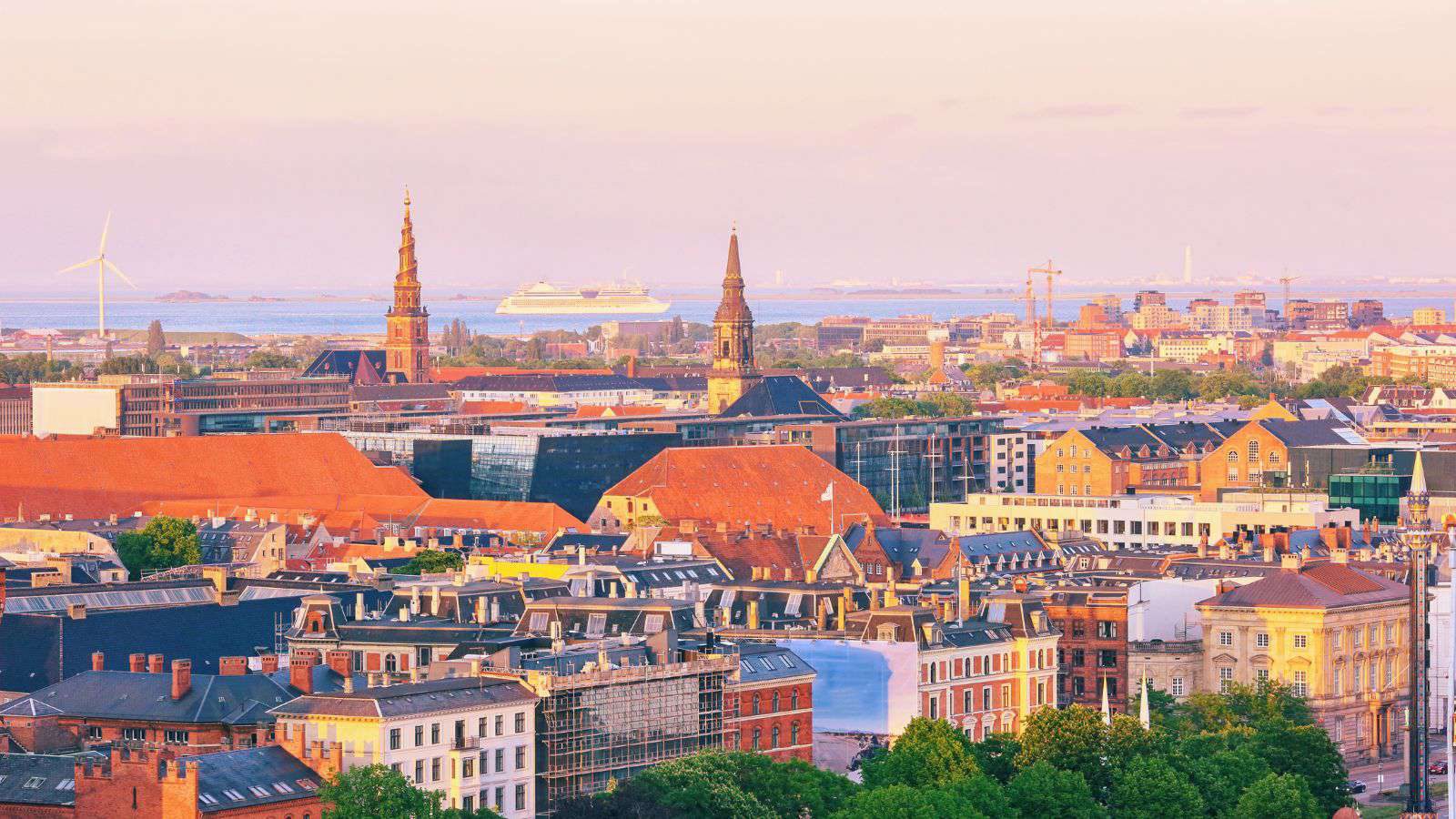
Copenhagen lies on the eastern edge of Zealand, facing the Swedish city of Malmö across the Øresund strait, with the two linked by the Øresund Bridge. It is Denmark's centre of government, culture, business and research, and is consistently rated one of the world's most liveable and environmentally progressive cities, with a goal of carbon neutrality and a population that famously commutes by bicycle. Greater Copenhagen is home to well over a million people; the city proper to roughly 660,000 (Statistics Denmark, 2025–26).
Things worth knowing about Denmark
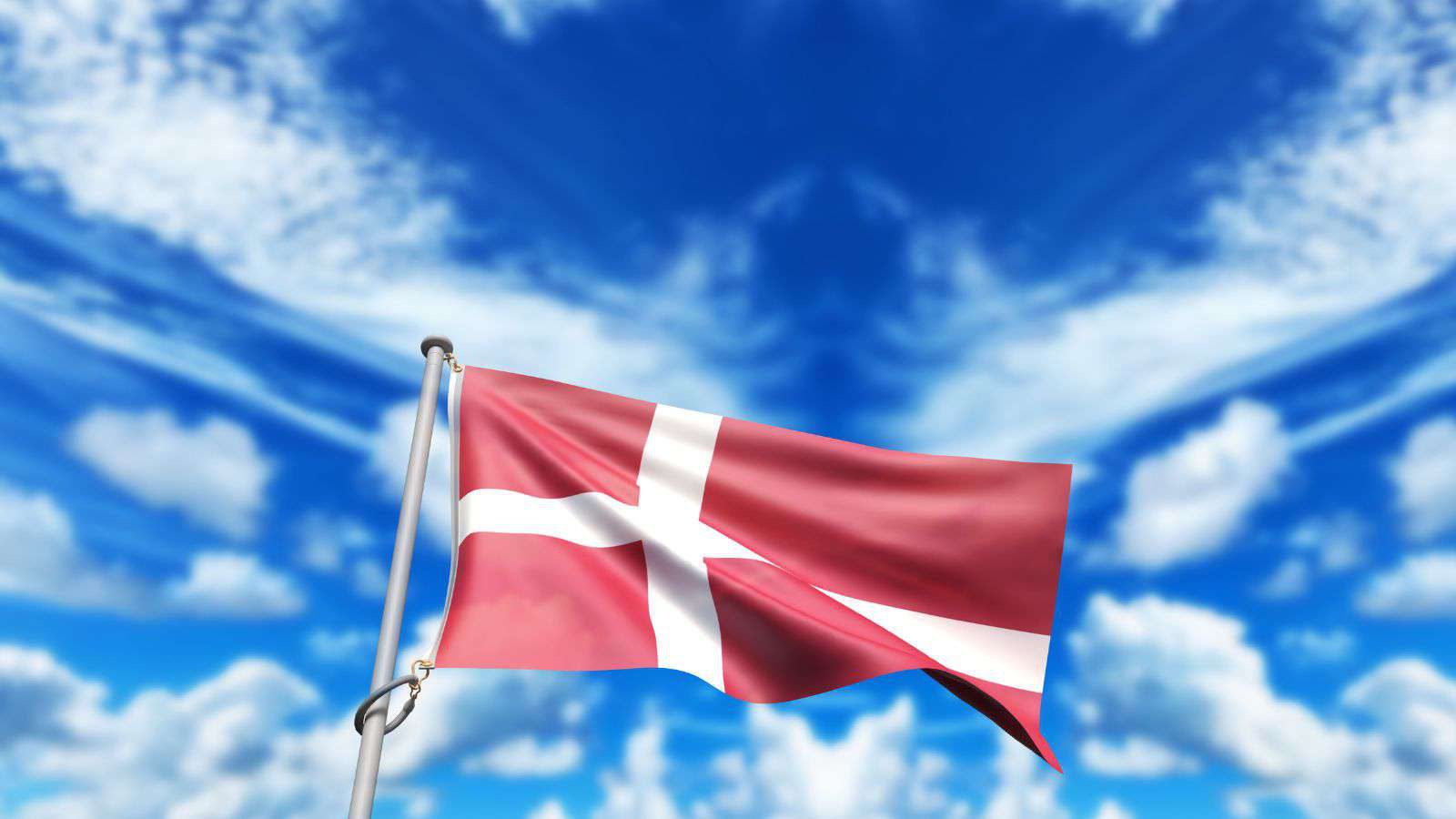
The Dannebrog is one of the world's oldest national flags
The red flag with its off-centre white cross is called the Dannebrog. By tradition it dates to the 13th century, and legend says it fell from the sky during a battle in Estonia in 1219 to rally Danish forces. The Nordic cross design it established was later adopted, in different colours, by Sweden, Norway, Finland, Iceland and the Faroe Islands.
Denmark was first to ban the transatlantic slave trade
By a royal edict of 16 March 1792, Denmark–Norway became the first European state to legislate the abolition of its transatlantic slave trade, though the ban only took effect in 1803, and slavery itself in the Danish West Indies was not abolished until 1848. (Sources: National Museum of Denmark; Gøbel, The Danish Slave Trade and Its Abolition.)
Lego was invented here
The interlocking plastic brick was born in the Danish town of Billund. The Lego Group grew out of the workshop of carpenter Ole Kirk Christiansen, who began making wooden toys in the early 1930s; the name comes from the Danish "leg godt", meaning "play well." Billund is still home to the original LEGOLAND theme park.
A high-tax, high-welfare society
Danes pay some of the highest taxes in the world, and in return receive tax-funded healthcare, education (including university), childcare and a strong social safety net. This bargain of high contribution and broad security is central to understanding daily life and the country's recurring appearances near the top of global happiness surveys.
Food, beer and the sea
Denmark is a major food exporter, historically built on pork and dairy, and the home of globally known brands such as Carlsberg. Surrounded by water, no point in the country is far from the coast, which shapes everything from the cuisine to the climate.