Few small countries have shaped how the world looks and lives as much as Denmark. Danish design is a philosophy as much as a style: things should be simple, functional, beautiful and built to last, and good design should belong to everyone, not just the wealthy.
The golden age of furniture
The mid-20th century was Denmark's design golden age. Designers like Arne Jacobsen (the Egg and Swan chairs), Hans Wegner (the Wishbone and "the Chair"), Finn Juhl and Poul Henningsen (the glare-free PH lamp) created pieces that are still in production and still copied everywhere. Their work paired craftsmanship with restraint: natural materials, honest construction, and forms stripped to their essentials.
Architecture, old and new
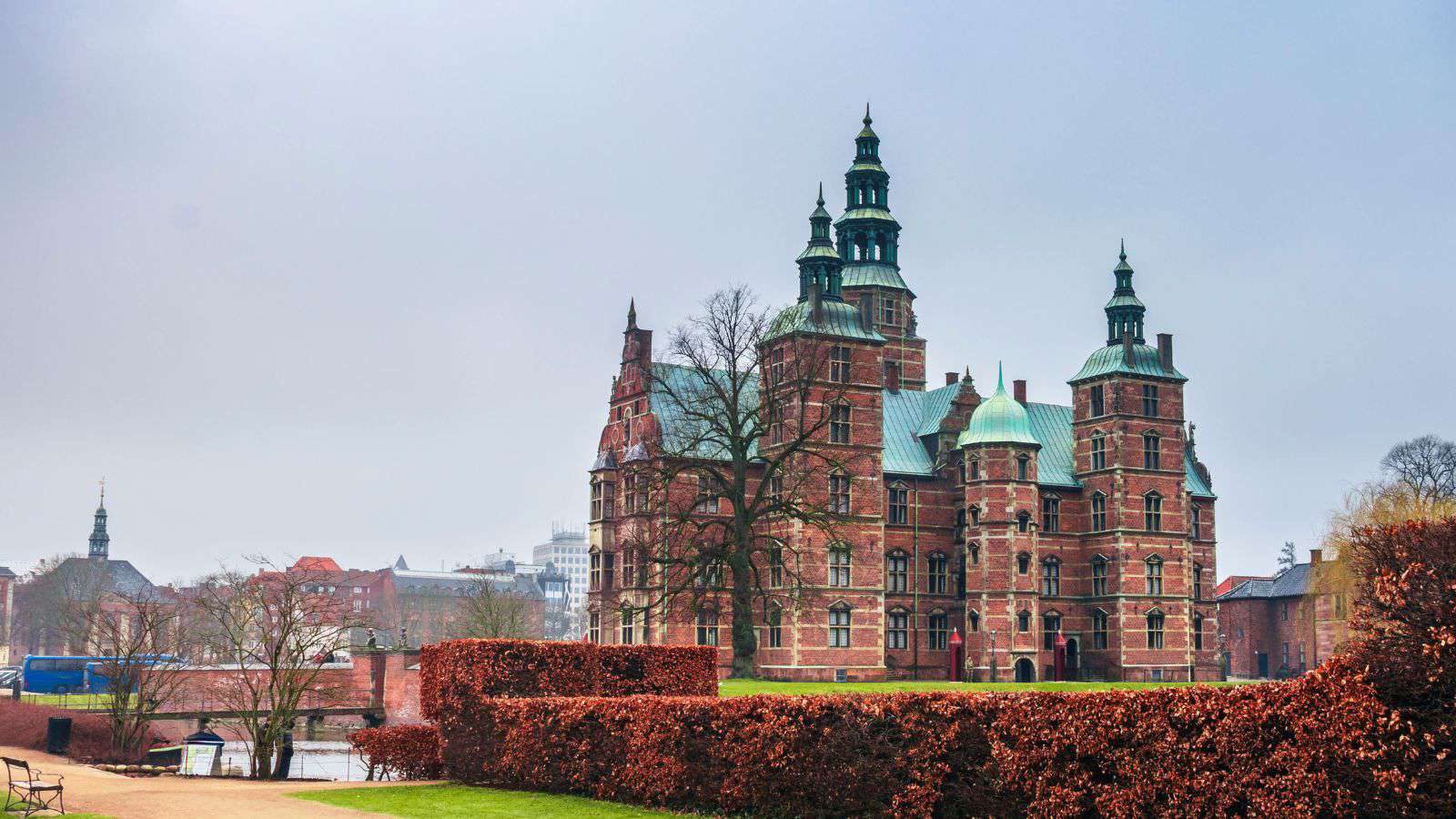
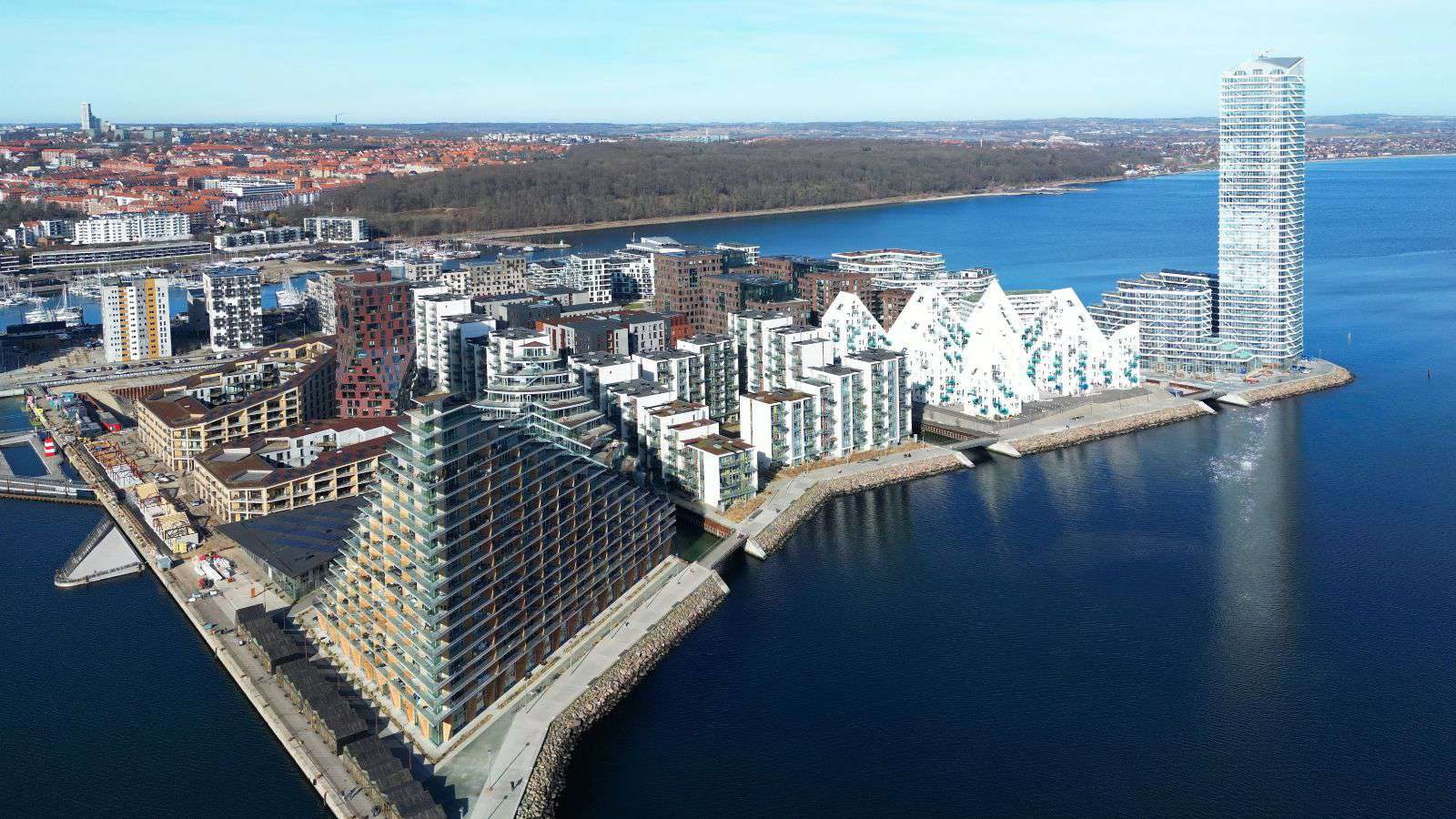
Danish architecture runs from the Renaissance castles of Christian IV to a celebrated contemporary scene. The studio BIG (Bjarke Ingels Group) has become globally famous for playful, problem-solving buildings, including CopenHill, a power plant in Copenhagen with a ski slope on its roof. Look too for the Opera House, the Black Diamond library extension, harbour baths, and the bold residential towers of the Aarhus and Copenhagen waterfronts.
Design you can visit
- Designmuseum Danmark, Copenhagen: the national design museum, with the definitive collection of Danish furniture and decorative arts.
- ARoS, Aarhus: a major art museum topped by Olafur Eliasson's circular rainbow walkway, "Your Rainbow Panorama."
- Louisiana, Humlebæk: a modern-art museum north of Copenhagen, itself a landmark of Danish architecture and landscape.
- The Lego House & LEGOLAND, Billund: design, play and engineering for all ages.
Designer attributions and the 1958 Lego patent are well-documented historical facts. Museum programmes change, so check current exhibitions before visiting.